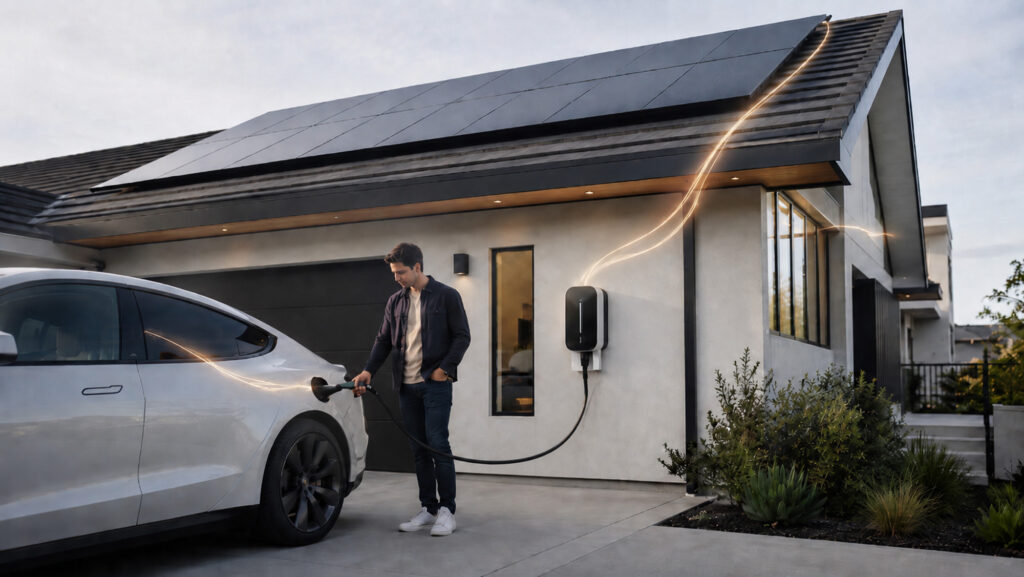

Why Homeowners Are Rethinking Energy
Your electric bill is not just a monthly expense anymore.
It’s a moving target.
Rates change. Fees rise. Peak pricing gets confusing. And when the grid struggles, your home feels it.
Solar gives homeowners a different path: generate more of your own energy, rely less on the utility, and build a system that works quietly in the background.
Not hype. Not pressure. Just smarter control.
What Residential Solar Can Do for Your Home
Lower Monthly Energy Costs
Use sunlight to offset the electricity you would normally buy from the utility.
Protect Against Rising Rates
The more power you produce and use yourself, the less exposed you are to future rate increases.
Add Battery Backup
Store energy for evening use, peak pricing windows, or outages.
Increase Home Resilience
Keep essential parts of your home powered when the grid becomes unreliable.
Build a Smarter Home
Solar works best when paired with efficiency upgrades, smart thermostats, batteries, and better usage habits.
In 2026, Solar Works Best When It’s Designed Smarter
A few years ago, solar was mostly about sending extra power back to the grid.
Today, the smarter strategy is different:
Use more of your own power. Store what you can. Depend less on utility rules.
This matters especially in places like California, where newer solar customers are under the Net Billing Tariff instead of older NEM programs. The CPUC says older NEM tariffs are closed to new enrollments, and new solar customers are generally under net billing rules, which changes how exported solar energy is valued.
Call To Action
Click here to change this text. Lorem ipsum dolor sit amet, consectetur adipiscing elit. Ut elit tellus, luctus nec ullamcorper mattis, pulvinar dapibus leo.
The Sabio Residential Solar Process
1. We Review Your Bill
We look at your usage, monthly cost, rate plan, and energy patterns.
2. We Check Your Home
Roof space, shading, utility rules, and battery needs all matter.
3. We Design the Right System
Not the biggest system. The smartest system.
4. You Compare Your Options
Ownership, financing, lease, PPA, battery backup — we explain the tradeoffs clearly.
5. You Decide With Confidence
No pressure. Just the numbers, the design, and the real-world outcome.
Residential Solar Markets We Serve
California
California is now a solar + battery market. High rates and net billing rules make system design especially important. Batteries can help homeowners use more of their own power instead of exporting it at lower-value times.
Texas
Texas solar depends heavily on your utility or retail electricity provider. Buyback programs vary, so homeowners need to understand the plan before they install. DSIRE remains a strong resource for tracking state and utility incentive programs.
Florida
Florida remains attractive for solar because of strong sun exposure and heavy cooling demand. The real question is how your utility handles credits, rates, and long-term bill savings.
New Jersey
New Jersey remains one of the stronger incentive markets because of its Successor Solar Incentive structure, including the ADI Program and SREC-II incentives.
Arizona
Arizona has excellent solar production potential, but utility-specific export rates and rate plans matter. The sun is strong — the strategy has to be stronger.
Is Your Home a Good Fit for Solar?
Solar may be a good fit if:
-
- your electric bill is consistently high
-
- your roof gets strong sunlight
-
- you own your home
-
- you plan to stay in the home for several years
-
- you want protection from rate increases
-
- you are interested in battery backup
-
- you want a smarter long-term home energy strategy
Solar may not be ideal if your roof is heavily shaded, your bill is already very low, or you may move soon.
What We Help With
Solar Panel Systems
Custom residential solar systems designed around your usage and roof.
Battery Storage
Backup and load-shifting options for homeowners who want more control.
Energy Bill Review
We help you understand what you’re paying for before recommending anything.
Solar Readiness
Roof, shading, utility rules, efficiency, and battery fit.
Financing Guidance
Ownership, financing, lease, and PPA options explained clearly.
Residential Solar FAQs
Is solar still worth it in 2026?
Yes, but the math is more local now. The old federal residential tax credit is no longer available for new systems placed in service after Dec. 31, 2025, so your state, utility rate, battery strategy, and financing structure matter more.
Do I need a battery?
Not always. But in many markets, batteries are becoming more valuable because they let you use more of your own solar power and reduce reliance on export credits.
Will solar eliminate my bill?
Sometimes, but not always. Most homeowners still have utility connection fees or charges. The goal is not a fantasy “zero bill.” The goal is lower cost, more control, and better long-term energy strategy.
How long does the process take?
It depends on permitting, utility approval, equipment, and installation scheduling. A good installer should explain every step before you sign.
Should I buy, finance, lease, or use a PPA?
It depends on your tax situation, upfront budget, credit profile, and long-term goals. In 2026, this comparison matters more than ever.
Ready to See What Solar Could Do for Your Home?
We help decode it — then show you whether solar, battery storage, or a smarter energy plan makes sense.