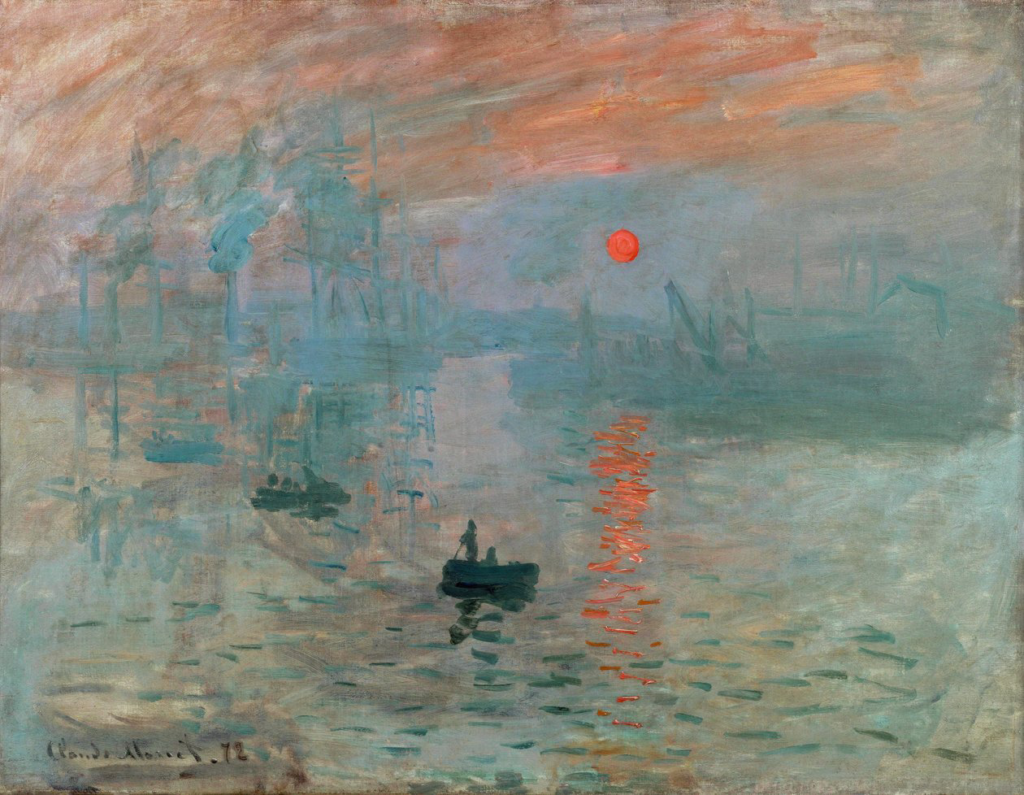
Before buildings used solar panels, they followed sunlight.
Long before solar panels appeared on rooftops, architects and builders were already designing around the sun.
They watched where light entered a room.
They studied shade.
They understood heat.
They knew that the angle of the sun could change how a home felt in the morning, afternoon, and evening.
The best buildings do not ignore sunlight.
They respond to it.
A window placed well can make a room feel alive.
A roofline can create shade at the right time of day.
A courtyard can bring daylight deep into a home.
A wall can protect against heat.
A skylight can turn a hallway into something peaceful.
Architecture has always had a relationship with the sun.
Solar energy is just the modern chapter of that relationship.
The Sun as a Design Partner
Good architecture does not treat sunlight as decoration.
It treats sunlight as part of the design.
The sun affects:
- comfort
- temperature
- mood
- natural light
- energy use
- materials
- shadows
- room layout
- outdoor living spaces
- how a building feels throughout the day
A home that gets soft morning light can feel calm and welcoming.
A building with harsh afternoon heat may need shade, overhangs, trees, glass control, or better insulation.
A workspace with natural light can feel more open and focused.
A hotel lobby designed around sunlight can feel warm before anyone says a word.
This is why sunlight is not only technical.
It is emotional.
Louis Kahn and the Kimbell Art Museum
Some buildings are remembered not only because of their shape, but because of how they hold light.
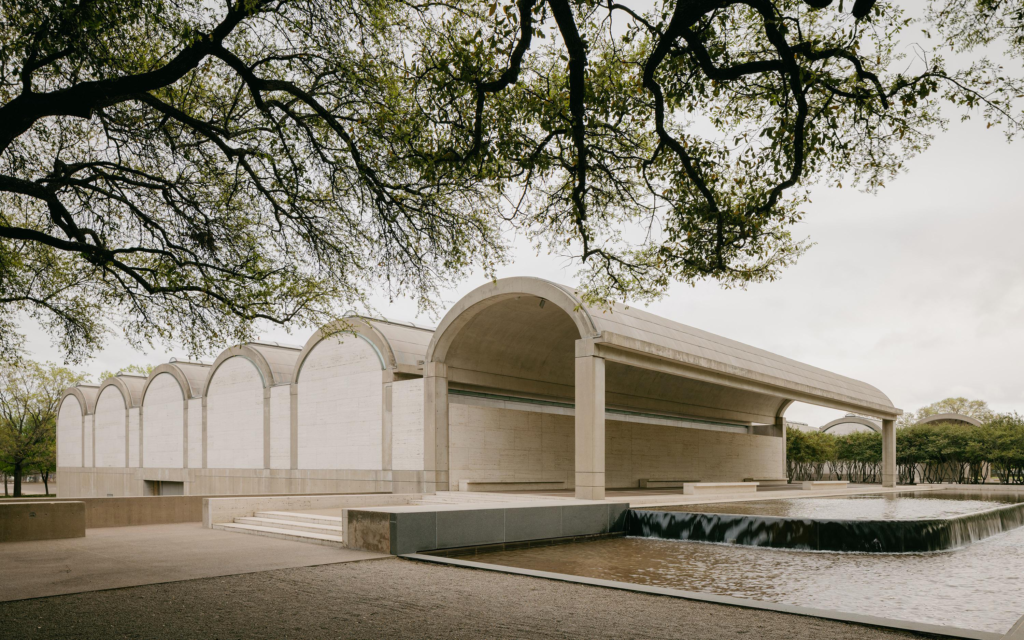
Louis Kahn’s Kimbell Art Museum in Fort Worth, Texas, is one of the best examples.
The museum’s original building was designed around natural light. The Kimbell describes Kahn’s building as one where “light is the theme,” with natural light entering through narrow skylights along cycloid vaults and then being diffused by wing-shaped reflectors. The result is a soft, changing glow inside the galleries. (Kimbell Art Museum)
That is what makes the building feel alive.
The light does not just enter the room.
It is shaped.
Softened.
Directed.
Made part of the experience.
The lesson is simple:
A building does not just receive sunlight.
It can transform it.
Jean Nouvel and the Institut du Monde Arabe
Jean Nouvel’s Institut du Monde Arabe in Paris shows another way architecture can follow the sun.
The building is famous for its south-facing façade, which reinterprets traditional Arab screen design through a modern architectural language. Nouvel’s own studio notes that the south face uses diaphragms as a contemporary expression of Eastern culture and that this project was where he began deeply considering “the question of light.” (Jean Nouvel)
The Institut du Monde Arabe also describes Nouvel’s architecture as moving through transparency, opacity, shadow, light, materiality, and optical illusion. (Institut du Monde Arabe)
That makes the building feel both ancient and futuristic.
It is not solar architecture in the rooftop-panel sense.
It is solar-aware architecture.
It understands that sunlight changes throughout the day, and the building becomes part of that conversation.
Passive Solar Adobe in New Mexico
Not all architecture that follows the sun is high-tech.
Some of it is old wisdom.
In New Mexico, passive solar design is closely connected to adobe architecture. Thick earthen walls, careful window placement, thermal mass, sunspaces, greenhouses, and daylighting all belong to a tradition of using the sun directly and naturally. The New Mexico Solar Energy Association describes passive solar as being strongly associated with New Mexico’s classic “Passive Solar Adobe” designs and says it includes solar-centric design ideas such as daylighting and greenhouses. (NMSolar)
This matters because it reminds us that solar thinking did not begin with modern equipment.
People have always learned from climate.
They built with earth.
They watched the seasons.
They used walls to store warmth.
They used shade to survive heat.
They understood that the sun was not just above the building.
It was part of the building.
Passive Solar Design
One of the oldest forms of solar thinking is called passive solar design.
It does not begin with panels.
It begins with the building itself.
Passive solar design uses the position of the sun to help heat, cool, and light a space naturally.
That can include:
- placing windows where they receive useful light
- using overhangs to block harsh summer sun
- allowing winter sun to warm interior spaces
- using materials that absorb and release heat
- designing rooms around natural daylight
- planting trees for seasonal shade
- reducing unnecessary heat gain
- improving airflow and comfort
This kind of design is quiet.
It does not announce itself.
But you feel it.
A room is brighter.
A home stays cooler.
A building uses less energy.
A space feels more connected to the day.
Daylighting: Bringing the Sun Indoors
Daylighting is the art of using natural light inside a building.
It sounds simple, but it can completely change how a space feels.
A well-lit room can feel larger, cleaner, calmer, and more alive.
Daylighting can come from:
- windows
- skylights
- glass doors
- clerestory windows
- courtyards
- reflective surfaces
- open layouts
- light-colored walls
- thoughtful shading
The goal is not just “more light.”
The goal is better light.
Soft light.
Balanced light.
Useful light.
Light that reduces the need for artificial lighting while making the space feel better.
That is where architecture becomes almost poetic.
The sun becomes part of the interior.
Shade Is Part of Solar Design Too
A building that follows the sun does not only chase light.
It also understands shade.
Shade is what makes sunlight livable.
In hot climates, shade can be just as important as sunlight. Overhangs, pergolas, trees, screens, shutters, awnings, and solar canopies can all help control heat and glare.
A beautiful building knows when to welcome the sun and when to soften it.
That balance matters.
Too little sunlight can make a space feel cold.
Too much sunlight can make it uncomfortable.
The right amount can make it feel human.
Solar design is not only about collecting energy.
It is about respecting light.
Solar Panels as Architecture
For a long time, solar panels were treated like equipment added after the fact.
Something placed on top of a finished roof.
But that is changing.
Today, solar can become part of the design language of a home or building.
Panels can follow clean rooflines.
Solar canopies can create shaded parking.
Battery storage can be integrated into modern energy spaces.
EV chargers can become part of a property’s infrastructure.
Commercial rooftops can turn unused space into productive energy assets.
The best solar design feels intentional.
Not random.
Not cluttered.
Not forced.
When solar is planned well, it can make a building feel more modern, more responsible, and more prepared for the future.
Solar Canopies and the Modern Energy Building
One of the clearest modern examples of architecture following the sun is the solar canopy.
A parking lot can become shade.
Shade can become comfort.
Comfort can become energy.
Energy can become part of the building’s identity.
Solar canopies are especially interesting because they combine design and function.
They can protect cars from heat.
They can support EV charging.
They can help power a commercial property.
They can turn open paved space into something useful.
They can make energy visible without making it feel industrial.
For hotels, retail centers, schools, campuses, offices, and commercial properties, solar canopies show how energy can become part of the landscape.
Not hidden.
Integrated.
Homes That Follow the Sun
A solar-aware home is not just a home with panels.
It is a home that understands light, comfort, and energy.
That may mean:
- using the roof wisely
- placing solar panels where they perform best
- reducing shade from trees or nearby structures
- thinking about battery storage
- planning for EV charging
- using natural light to reduce daytime electricity use
- improving insulation and efficiency
- designing outdoor spaces around shade and sun
The result is not only lower energy use.
It is a better way of living in the home.
A brighter kitchen.
A cooler afternoon.
A softer morning.
A roof that works harder.
A home that feels more connected to the natural rhythm of the day.
Businesses That Follow the Sun
Commercial buildings can also be designed around sunlight.
For businesses, the sun affects more than appearance.
It affects operating costs, comfort, brand image, and long-term energy planning.
A warehouse may use rooftop solar to reduce energy exposure.
A hotel may use solar canopies to shade cars and support EV charging.
A retail center may turn parking lots into clean energy assets.
An office building may use daylighting to improve the feel of the workspace.
A manufacturing facility may use solar and storage to help manage demand and support operations.
When buildings follow the sun, they become more than structures.
They become energy systems.
The Beauty of a Building That Works With Nature
There is something beautiful about a building that feels aligned with its environment.
A home that catches morning light.
A museum gallery glowing softly from above.
A school shaded by trees.
A hotel lobby filled with warm afternoon light.
A rooftop quietly producing electricity.
A parking canopy giving shade while generating power.
These things remind us that good design does not fight nature.
It listens to it.
That is where architecture and solar energy meet.
Both ask the same question:
How can we live better with the light we already have?
Why This Belongs in Inspired by the Sun
The Inspired by the Sun series is about the creative side of energy.
Not just solar panels.
But the deeper relationship between sunlight and human imagination.
Architecture is one of the clearest examples.
Buildings shape how we experience light every day. They decide when the sun enters, where it lands, how long it stays, and how it makes us feel.
A building can waste sunlight.
Or it can honor it.
That choice is both practical and artistic.
Sabio Takeaway
Architecture that follows the sun reminds us that solar energy is not only about technology.
It is about design.
It is about comfort.
It is about rhythm.
It is about living with light more intelligently.
Before a panel is installed, the sun is already shaping the building.
The smartest energy future begins by paying attention to that.
Explore more stories in Inspired by the Sun, where art, design, music, literature, and energy meet.