Solar demand is growing, but getting projects approved and connected is becoming one of the industry’s biggest challenges.
Solar can be built quickly.
That is one of its biggest advantages.
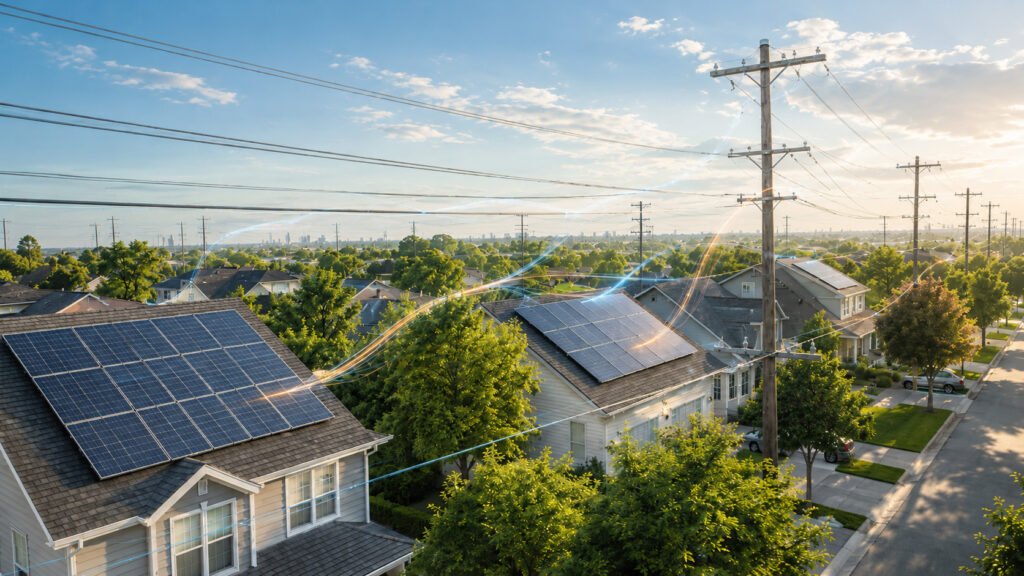
Compared with many traditional power projects, solar panels can be installed on homes, businesses, warehouses, parking canopies, open land, and large commercial rooftops relatively fast.
But there is a catch.
A solar project does not become useful just because panels are installed.
It still needs approval.
It needs permits.
It needs inspections.
It needs utility coordination.
It needs interconnection.
And in many cases, it needs grid capacity.
That is where the pressure is building.
Across the solar industry, one of the biggest challenges is no longer whether people want solar.
It is whether projects can move through the system fast enough.
What Happened
The U.S. solar industry installed 7.8 GWdc of solar capacity in Q1 2026, according to SEIA’s Solar Market Insight Report, but that was a 27% decline from Q1 2025 and a 42% decline from Q4 2025. SEIA also reported that the commercial segment installed 523 MWdc in Q1 2026, down 4% year over year and 25% quarter over quarter.
That does not mean solar demand disappeared.
It means the market is facing more friction.
Some of that friction comes from policy uncertainty.
Some comes from financing and incentive changes.
Some comes from supply chains.
But a major issue is the approval process itself.
Reuters recently reported that stalled U.S. permits are threatening $121 billion in wind and solar investment, citing a Wood Mackenzie report. The report said about 92 GW of clean energy projects were delayed because of heightened federal scrutiny and permitting hurdles.
That matters because the country needs more electricity, not less.
Data centers, EV charging, manufacturing, heating electrification, and general power demand are all increasing pressure on the grid.
So the problem is clear:
We need more power, but the approval process is slowing down the projects that can help provide it.
Why Permitting Matters
Permitting sounds boring.
But it can make or break a solar project.
Before a system gets built, it may need approval from:
- the local building department
- fire authorities
- zoning officials
- the utility company
- electrical inspectors
- environmental reviewers
- sometimes state or federal agencies
- sometimes homeowners associations
- sometimes commercial property owners or landlords
For a small residential project, this process may be manageable.
For a commercial project, it can become much more complex.
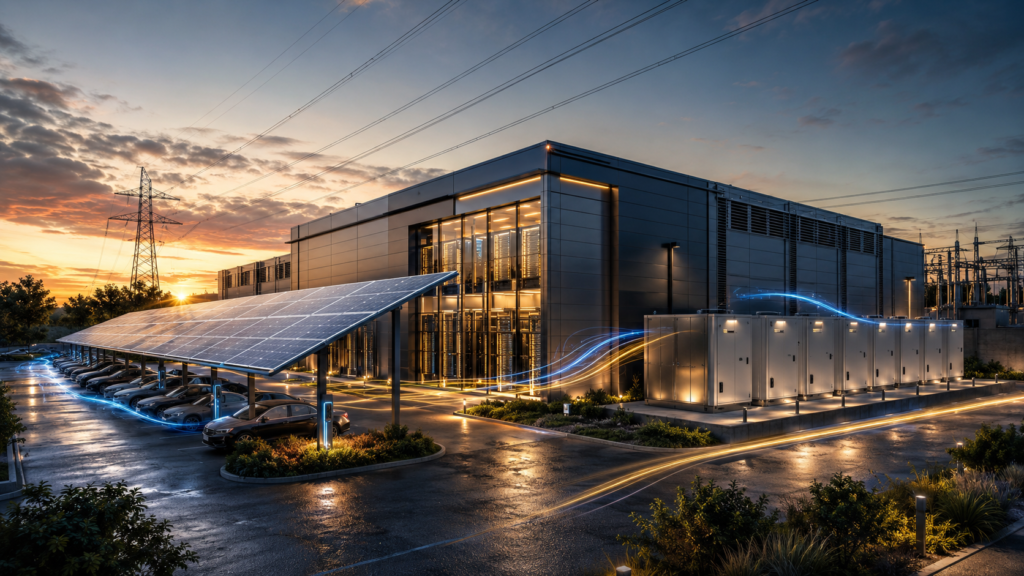
A warehouse, office building, hotel, manufacturing facility, or data center may need additional review for:
- roof structure
- electrical service
- fire access
- equipment placement
- battery storage
- parking canopies
- utility interconnection
- transformer capacity
- backup power systems
- tenant or landlord approvals
The bigger and more complex the project, the more important the approval process becomes.
Interconnection Is the Big Bottleneck
Permitting is one side of the problem.
Interconnection is the other.
Interconnection is the process of connecting a solar or battery system to the electric grid.
That process matters because the utility needs to know:
- how much power the system will produce
- whether power will export to the grid
- whether the local grid can handle it
- whether equipment upgrades are needed
- whether transformers or lines need changes
- whether battery storage changes the system behavior
- whether protection equipment is required
For homeowners, interconnection delays can mean waiting longer before the system is officially turned on.
For businesses, delays can affect project timelines, financing, construction schedules, and savings expectations.
For large projects, interconnection can become one of the biggest barriers.
Reuters reported that U.S. grid growth is being pressured by data centers, EVs, and electrified heating, while infrastructure constraints, supply chains, permitting delays, and regulatory complexity remain major hurdles.
That is why interconnection is not just a technical issue.
It is a business issue.
Why This Matters Now
The timing matters because electricity demand is rising.
If the country needs more power, but clean energy projects are delayed, several problems can grow at the same time:
- utility rates may face more pressure
- grid upgrades may become more expensive
- businesses may wait longer for energy projects
- solar developers may face higher project risk
- homeowners may experience slower installations
- large facilities may struggle to secure enough power
- battery projects may be delayed
- local grids may become harder to manage
This is especially important because solar and battery storage are often discussed as tools for faster energy deployment.
But they can only help if they can get approved, built, and connected.
A solar project stuck in paperwork does not lower anyone’s bill.
What Homeowners Should Know
For homeowners, this issue may show up as delays.
You may sign a solar contract, but the project still has to go through:
- site survey
- design
- permit application
- utility application
- installation
- inspection
- permission to operate
That last step is important.
Even after panels are installed, most systems need utility approval before they can operate fully.
Homeowners should ask installers clear questions:
How long does permitting usually take in my area?
How long does utility approval usually take?
Who handles the paperwork?
What happens if the utility requires changes?
When can the system actually be turned on?
Are there local delays I should know about?
A good installer should not pretend everything happens overnight.
A good installer should explain the timeline clearly.
What Businesses Should Know
For businesses, permitting and interconnection can be more serious.
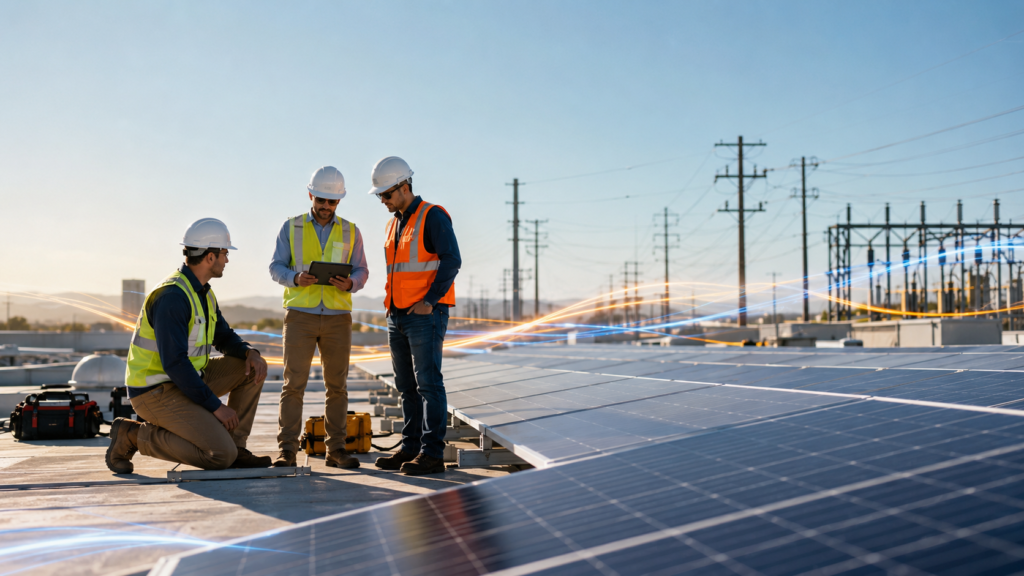
A commercial solar project may involve:
- engineering review
- structural analysis
- utility studies
- electrical upgrades
- commercial inspections
- landlord approval
- tenant coordination
- financing deadlines
- incentive deadlines
- battery storage review
- EV charging planning
- construction scheduling
A delay can affect more than the installation date.
It can affect the financial model.
For example, if a business is counting on solar savings by a certain month, but interconnection approval is delayed, those savings may arrive later.
If tax credits or incentives depend on timing, delays can become even more important.
That is why businesses should treat permitting and interconnection as part of the project strategy, not an afterthought.
Commercial Solar Needs Better Planning
Commercial solar projects should be built around reality.
Not just the roof.
Not just the savings estimate.
Not just the equipment.
The project plan should include:
- realistic permitting timeline
- utility interconnection timeline
- possible electrical upgrade needs
- inspection requirements
- battery approval requirements
- EV charging load impact
- roof access and fire pathways
- backup plan if approval is delayed
- clear communication with all stakeholders
This is especially important for:
- warehouses
- retail centers
- hotels
- office buildings
- manufacturing facilities
- cold storage buildings
- data centers
- multi-tenant properties
The bigger the building, the more important the process becomes.
Why Battery Storage Can Make Approvals More Complex
Battery storage can add major value.
But it can also add complexity.
A solar-only system may be easier to approve than a solar + battery system because batteries raise additional questions about:
- safety
- fire codes
- equipment location
- backup configuration
- grid export behavior
- electrical design
- utility controls
- emergency access
- critical load panels
That does not mean batteries should be avoided.
It means battery projects need stronger planning.
As utility rates become more complex and grid stress increases, batteries may become more important.
But the approval process needs to keep up.
The Industry Problem
The solar industry is in a strange position.
Demand for electricity is rising.
Businesses want more control.
Homeowners want lower bills.
Utilities need more capacity.
Batteries are becoming more useful.
Data centers are putting more pressure on the grid.
But if the system cannot approve and connect projects fast enough, the industry slows down.
That creates frustration for everyone:
- customers wait longer
- installers face scheduling issues
- developers face financial risk
- utilities face more grid pressure
- businesses lose time
- homeowners lose potential savings
- clean energy investment becomes harder
This is why permitting and interconnection reform are such important industry issues.
They are not exciting headlines.
But they shape what actually gets built.
What to Watch Next
Sabio will be watching several key issues:
- whether utilities improve interconnection timelines
- whether cities simplify solar permitting
- whether commercial solar approvals become faster
- whether battery storage rules become clearer
- whether grid upgrade costs increase
- whether data center demand creates more bottlenecks
- whether new federal or state rules speed up approvals
- whether local permitting becomes more standardized
- whether homeowners face longer permission-to-operate timelines
- whether commercial projects need more electrical upgrades
The solar industry does not only need more demand.
It needs better execution.
The Emotional Side of Delays
Delays create frustration.
Homeowners get excited about lower bills, then wait.
Businesses approve a project, then get stuck in utility review.
Property owners plan upgrades, then discover electrical limits.
Manufacturers want energy control, then run into interconnection issues.
That can make solar feel confusing.
The emotional problem is simple:
People want progress, not paperwork.
That is why clear expectations matter.
A good solar experience should not pretend delays never happen.
It should explain the process, prepare the customer, and avoid surprises.
Sabio Takeaway
Solar is growing, but the approval process is becoming one of the industry’s biggest challenges.
Permitting, inspections, utility coordination, and interconnection can all affect how quickly a project moves from idea to working system.
For homeowners, that means asking better timeline questions.
For businesses, it means treating permitting and interconnection as part of the financial strategy.
Solar can help lower costs.
Battery storage can add control.
Commercial projects can turn buildings into energy assets.
But none of that matters if projects get stuck before they are turned on.
The future of solar depends not just on better panels.
It depends on better processes.
That is where smarter planning matters.
Ready to see what your home can generate?