
The Problem: A Fragile Grid
In the United States, the electric grid is showing its age. Much of the infrastructure was built decades ago, and demand for power has only increased—especially with the rise of electric vehicles, data centers, and AI computing. The result? More frequent blackouts, higher costs, and greater risk during extreme weather.
- Blackouts are rising: In the past 20 years, weather-related outages have more than doubled. Heatwaves, hurricanes, wildfires, and winter storms are exposing weak points in the system.
- Costs keep climbing: Retail electricity prices have risen 7% per year in some regions, with no signs of slowing down.
- Aging infrastructure: Transmission lines, transformers, and substations are under constant strain. Many components are decades past their intended lifespan.
Why This Matters for Families
Every blackout isn’t just an inconvenience—it can disrupt work, learning, and health. For families relying on medical devices, refrigeration, or simply stable internet, a loss of power has real consequences.
- Bills continue to rise even when service is unreliable.
- Utility companies often pass upgrade costs on to consumers.
- The central grid model leaves households with little control.
The Solar + Storage Alternative
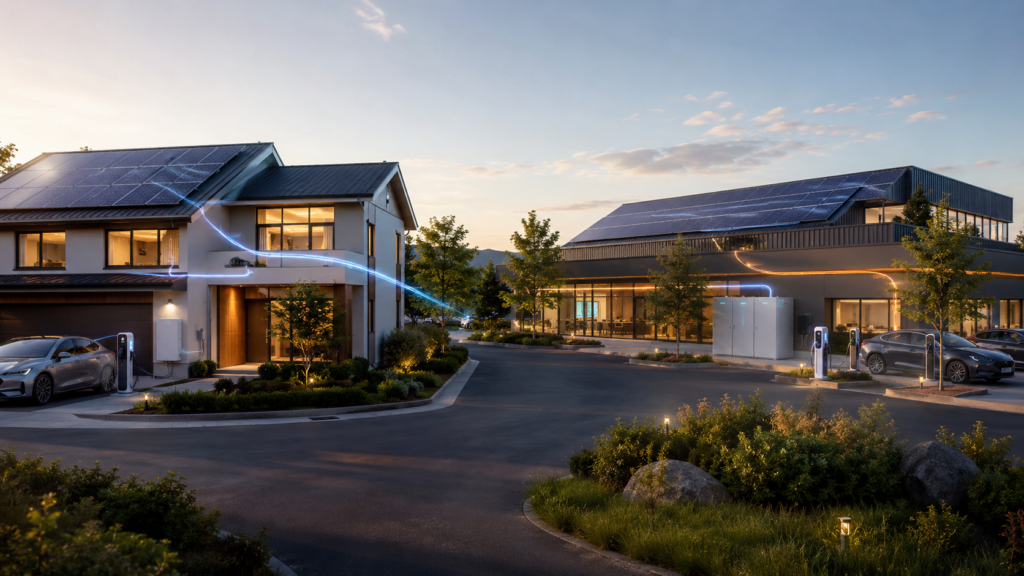
Here’s the good news: every rooftop has the potential to become a mini power plant. Solar panels generate electricity, and batteries store it for when you need it most.
☀️ → 🔋 → 🏠
- During the day: Panels generate power, often more than the home uses.
- At night or in outages: A battery keeps lights on, devices charged, and essentials running.
- Over time: Solar locks in your cost per kilowatt-hour, protecting against price hikes.
Data Centers & Businesses
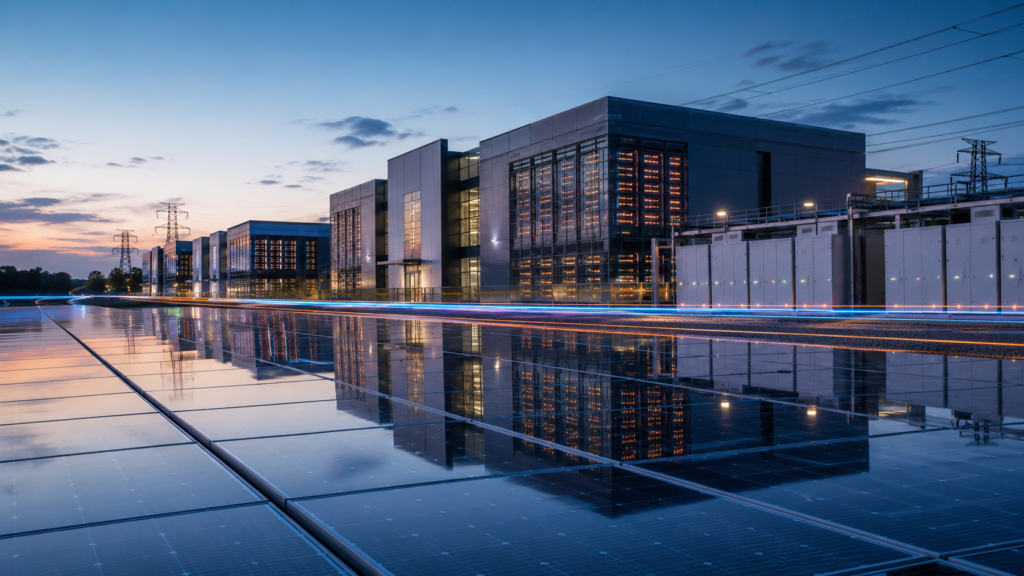
The stakes are even higher for businesses and data centers. Downtime costs millions per hour, and customers expect 24/7 reliability. Solar + storage can:
- Cut operating costs
- Reduce exposure to volatile grid prices
- Provide resilience during outages
- Help meet ESG and sustainability goals
The Bigger Picture
What if every home, business, and data center became part of a decentralized energy network? Instead of a fragile, centralized grid, we’d have millions of connected solar + storage systems working together.
That’s not science fiction—it’s already happening in pilot projects across the country. And it’s the direction energy is heading.
Key Takeaways
- The U.S. grid is fragile, costly, and increasingly unreliable.
- Solar + storage offers a practical, proven alternative for both homes and businesses.
- Each installation is a step toward a decentralized, resilient energy future.
What You Can Do