Energy is no longer just a utility expense. It is a business risk you can manage.
Every business has costs it can predict.
Rent.
Payroll.
Inventory.
Insurance.
But energy?
That number keeps moving.
Rates change. Demand charges hit. Peak pricing gets confusing. Utility bills become harder to forecast. And as buildings become more electric, businesses are using more power than ever.
For many companies, electricity is no longer just a monthly bill.
It is overhead.
It is margin pressure.
It is operational risk.
Commercial solar gives businesses a smarter way to respond.
Not by chasing trends.
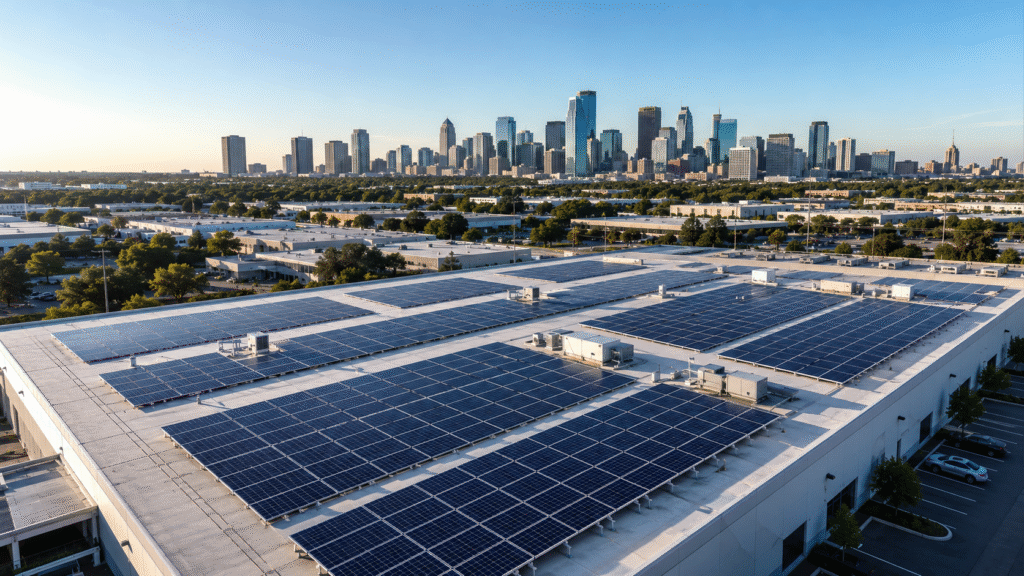
By turning unused roof space, parking areas, or land into a long-term energy asset.
Commercial Solar Is Not Just “Going Green”
Sustainability matters.
But for most business owners, the first question is practical:
Will this help my business?
That is the right question.
Commercial solar can help businesses:
- reduce electricity costs
- improve long-term energy predictability
- reduce exposure to utility rate increases
- support sustainability goals
- strengthen brand perception
- add battery storage for resilience
- use unused roof, carport, or land space more productively
- prepare for EV charging or fleet electrification
Solar should not be treated like a feel-good expense.
It should be evaluated like a business decision.
Why Businesses Are Looking at Solar in 2026
The energy landscape is changing fast.
Electricity demand is growing because of electrification, EV charging, AI infrastructure, data centers, HVAC loads, refrigeration, and modern business operations.
At the same time, utility infrastructure is under pressure.
That means businesses need to think differently about energy.
The old model was simple:
Use power. Pay the utility. Repeat forever.
The smarter model is:
Produce some of your own power. Store what makes sense. Reduce exposure. Control more of the cost.
That is the commercial solar opportunity.
The Core Business Problem: Uncontrolled Energy Costs
For a homeowner, a high electric bill is frustrating.
For a business, it can be worse.
A high electric bill can affect:
- margins
- cash flow
- pricing
- tenant costs
- facility operations
- long-term planning
- ESG goals
- competitiveness
And commercial utility bills can include more than energy usage.
Many businesses also face demand charges, which are based on the highest level of electricity demand reached during a billing period. These charges can be a major part of commercial electricity costs, especially for facilities with large equipment, HVAC, refrigeration, or sudden power spikes. NREL notes that demand charges are commonly assessed monthly based on a customer’s peak demand.
That is why commercial solar needs a different strategy than residential solar.
It is not just about total energy used.
It is also about when and how power is used.
What Commercial Solar Can Do
Reduce Energy Costs
A properly designed commercial solar system can offset a portion of the electricity your business buys from the grid.
That can reduce monthly operating costs and improve long-term predictability.
Protect Against Rising Rates
The more energy your business can produce onsite, the less exposed you are to future utility rate increases.
Solar is not a magic shield against every energy cost.
But it can reduce how much of your operation depends entirely on utility pricing.
Turn Unused Space Into an Asset
Many businesses have large roofs, parking lots, or open land that do not directly generate value.
Commercial solar can turn those spaces into productive energy infrastructure.
Support Sustainability Goals
Solar can help businesses reduce emissions and support ESG reporting, customer expectations, and internal sustainability commitments.
For some companies, this is brand value.
For others, it is compliance, procurement, or investor pressure.
Either way, it matters.
Add Resilience With Battery Storage
Commercial batteries can help businesses manage peak demand, reduce exposure to high-rate periods, and support backup strategies depending on system design.
Storage is especially important for businesses where downtime is expensive.
Commercial Solar + Battery: When Control Matters More
Solar panels produce power.
Battery storage gives you more control over that power.
For commercial properties, batteries may help with:
- demand charge management
- peak shaving
- backup power
- load shifting
- resilience planning
- EV charging support
- reducing grid dependence during expensive hours
The Department of Energy notes that smart charge management can reduce charging electricity costs by avoiding peak pricing or demand charges, which is especially relevant for businesses adding EV charging or fleet electrification.
This is where commercial energy becomes strategic.
You are not only asking:
How much energy can we produce?
You are asking:
When do we need energy, what does it cost at that time, and how do we control it better?
Who Commercial Solar Is For
Commercial solar may be a strong fit for:
- warehouses
- distribution centers
- retail buildings
- office buildings
- restaurants
- manufacturing facilities
- cold storage facilities
- schools
- medical buildings
- farms and agricultural operations
- multifamily properties
- car dealerships
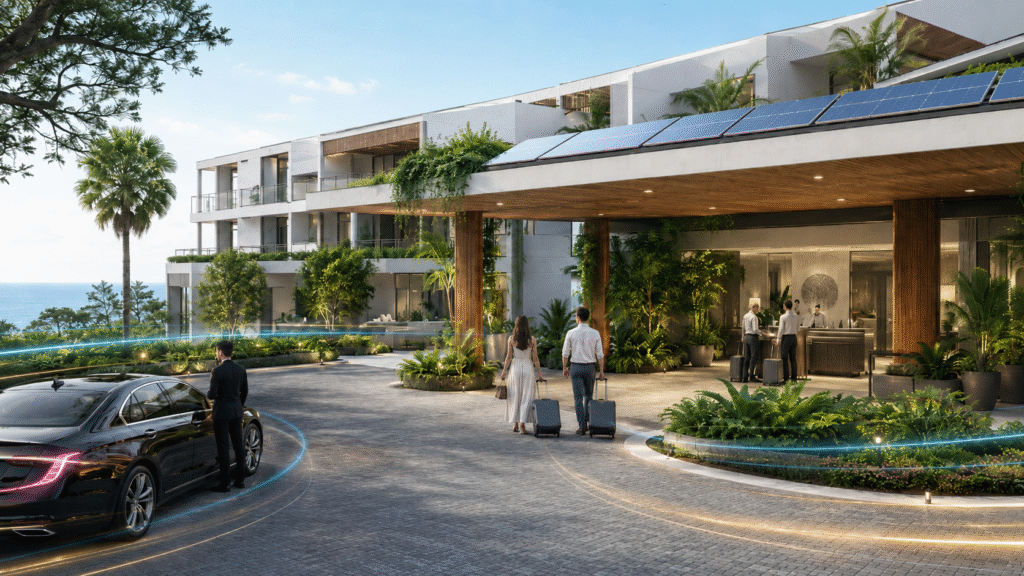
- hotels
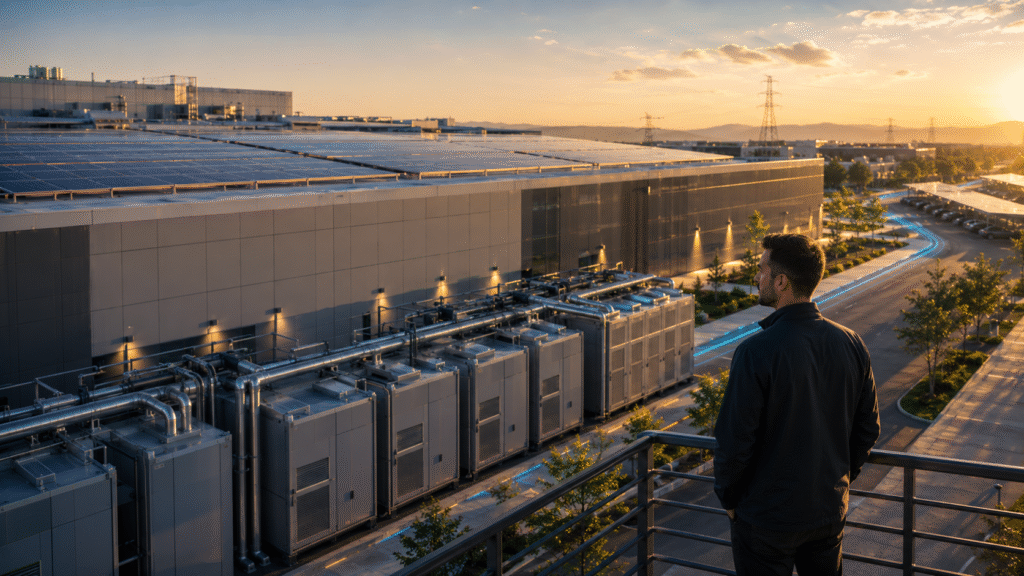
- data centers and energy-intensive facilities
The best candidates usually have:
- high electric bills
- large usable roof space or land
- long-term property control
- strong daytime energy usage
- demand charges
- sustainability goals
- future EV charging needs
- interest in battery storage or resilience
Is Commercial Solar Right for Every Business?
No.
And any company that says otherwise is overselling.
Commercial solar may not be the right fit if:
- the roof is too old or structurally weak
- the business does not control the property
- energy usage is very low
- shading is severe
- utility rules are unfavorable
- financing terms do not work
- the business may relocate soon
- the building has major electrical limitations
That does not mean solar is impossible.
It means the first step is not a sales pitch.
The first step is an assessment.
Incentives and Tax Strategy Matter
Commercial solar can still have meaningful incentive opportunities, but the rules are more complex than residential solar.
The IRS Clean Electricity Investment Credit applies to qualified facilities and energy storage technology placed in service after December 31, 2024. DSIRE remains one of the most comprehensive public databases for renewable energy and efficiency incentives across federal, state, local, and utility programs.
For businesses, the incentive conversation may include:
- federal investment tax credits
- depreciation
- state programs
- utility programs
- energy storage incentives
- domestic content rules
- ownership structure
- tax appetite
- lease or PPA options
This is not something to guess through.
Commercial solar should involve tax, finance, and energy professionals who understand how the deal actually works.
The Sabio Approach
Most solar companies start with equipment.
Panels.
Inverters.
Batteries.
System size.
Sabio starts with the business problem.
1. What are you paying now?
We review your energy usage, demand charges, rate structure, and operating patterns.
2. What are you trying to solve?
Lower bills? Better predictability? Backup power? ESG goals? EV charging? Tenant value? Data center resilience?
3. What space can work?
Roof, carport, land, parking lot, or hybrid system.
4. What system actually fits?
Solar-only, solar + battery, EV charging, or a phased energy strategy.
5. What financing structure makes sense?
Cash purchase, loan, lease, PPA, tax strategy, or third-party ownership.
The goal is not the biggest system.
The goal is the smartest business case.
The Confidence Factor in Commercial Solar Migration
Business owners do not just want “clean power.”
They want control.
They want fewer surprises.
They want to protect margins.
They want to make smart capital decisions.
They want to know the building is working for the business — not quietly draining it every month.
That is the real value of commercial solar.
It turns energy from a passive expense into an active strategy.
Commercial Solar for Data Centers and High-Energy Facilities
Some businesses have energy needs that go far beyond ordinary commercial buildings.
Data centers, AI computing facilities, cold storage, manufacturing, and other energy-intensive operations need a more advanced approach.
For these facilities, solar alone may not solve everything.
The real conversation is often:
- onsite solar
- battery storage
- long-duration storage
- microgrid design
- utility coordination
- backup generation
- power quality
- uptime requirements
- load forecasting
AI and data center growth is already increasing interest in long-duration energy storage and clean power planning. Reuters reported in 2026 that rising power demand from data center developers is accelerating interest in storage technologies that can support reliable clean power day and night.
That is why Sabio’s commercial vision is bigger than panels.
It is about helping businesses understand the next energy system before they are forced into it.
Sabio Takeaway
Commercial solar is not just sustainability.
It is strategy.
Your building may already have unused energy potential.
Your roof, parking lot, land, or facility footprint could become part of your cost-control plan.
The question is not:
“Should we go solar?”
The better question is:
“Where is energy creating risk in our business — and what can we do about it?”
That is where smarter business energy starts.
Ready to See What Commercial Solar Could Do for Your Business?
We’ll help you review your utility bills, facility profile, energy usage, and goals — then show you whether solar, battery storage, EV charging, or a phased commercial energy strategy makes sense.